.png)
35/2, Sangsad Avenue, Monipuripara, Dhaka, Bangladesh
Follow Us
Follow us on Social Network
35/2, Sangsad Avenue, Monipuripara, Dhaka, Bangladesh
Follow us on Social Network


 Blog Details
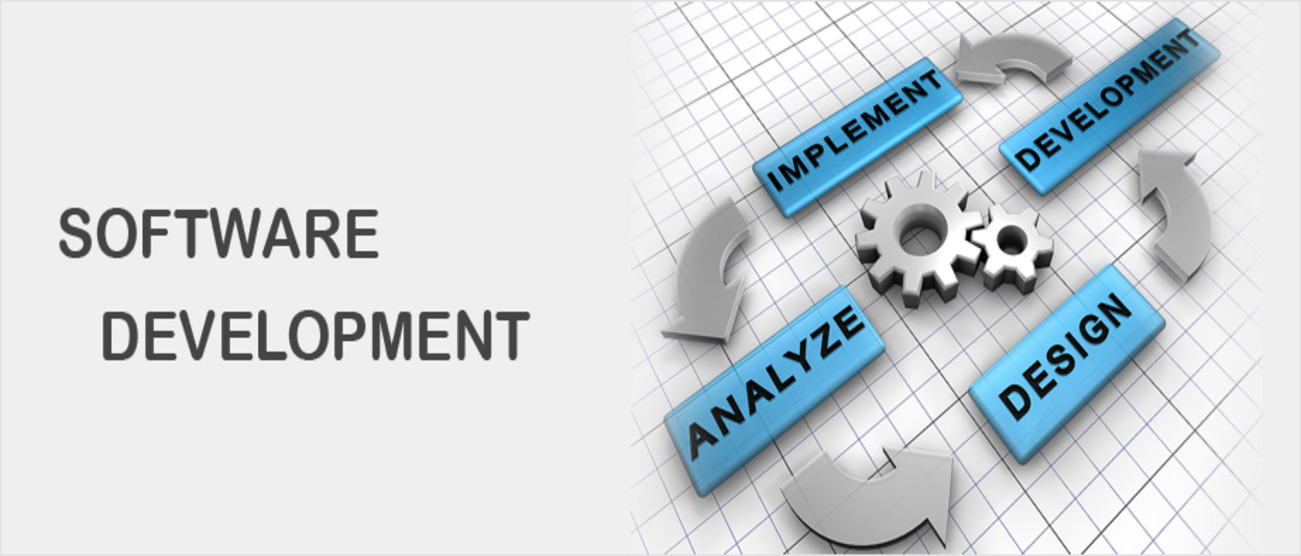

In the fast-paced realm of technology, software development remains a driving force, constantly pushing boundaries and reshaping the digital landscape. As we embark on this exploration, we'll delve into the latest innovations, paradigms, and emerging trends that define the dynamic world of software development.
1. Agile Methodology: Transforming Development Processes
The Agile methodology has revolutionized software development by prioritizing flexibility, collaboration, and iterative progress. We'll explore the principles of Agile, from Scrum to Kanban, and how they foster adaptability in the face of evolving project requirements.
2. DevOps Culture: Bridging the Gap Between Development and Operations
DevOps has emerged as a cultural and technological movement, emphasizing collaboration between development and operations teams. This section delves into the principles of DevOps, the benefits of continuous integration and continuous deployment (CI/CD), and the tools that facilitate seamless collaboration throughout the software development lifecycle.
3. Cloud-Native Development: Leveraging the Power of the Cloud
The shift towards cloud-native development has transformed how applications are built, deployed, and scaled. We'll explore containerization with technologies like Docker and orchestration tools like Kubernetes, showcasing how they enable the development of scalable and resilient cloud-native applications.
4. Microservices Architecture: Enhancing Scalability and Flexibility
Microservices architecture has gained popularity for its ability to break down monolithic applications into smaller, independently deployable services. This section examines the advantages and challenges of microservices, exploring how they contribute to scalability, flexibility, and improved development agility.
5. Artificial Intelligence and Machine Learning in Software Development
The integration of artificial intelligence (AI) and machine learning (ML) has opened new frontiers in software development. We'll explore how AI and ML are being leveraged for tasks such as predictive analysis, natural language processing, and automation, transforming the way software applications function.
6. Low-Code/No-Code Development: Empowering Citizen Developers
The rise of low-code/no-code development platforms is democratizing software development, allowing individuals with limited coding experience to create powerful applications. We'll examine the benefits and challenges of these platforms and their impact on the role of traditional developers.
7. Cybersecurity in Software Development: A Critical Imperative
As software applications become more sophisticated, cybersecurity is a paramount concern. This section explores the evolving threat landscape, common vulnerabilities, and best practices for integrating robust security measures into the software development process.
8. Quantum Computing: The Next Frontier in Software Development
Quantum computing represents a paradigm shift in computational power. We'll delve into the basics of quantum computing, its potential impact on software development, and the challenges developers face in harnessing its capabilities.
As we navigate the ever-evolving landscape of software development, it's evident that innovation is not just a buzzword but a driving force that shapes the future of technology. From Agile methodologies to quantum computing, each paradigm shift brings both challenges and opportunities, challenging developers to adapt and evolve. As we continue to push the boundaries of what's possible, the journey through the dynamic world of software development promises to be an exhilarating one, full of discovery and transformation.